Jagat Janani Maa Ashapura – Jalore & Nadol✦
Sponsor: Gajraj Sonigara Nadol✦
Jagat Janani Maa Ashapura – Jalore & Nadol✦
Sponsor: Gajraj Sonigara Nadol✦
Jagat Janani Maa Ashapura – Jalore & Nadol✦
Sponsor: Gajraj Sonigara Nadol✦
Jagat Janani Maa Ashapura – Jalore & Nadol✦
Sponsor: Gajraj Sonigara Nadol✦
Jagat Janani Maa Ashapura – Jalore & Nadol✦
Sponsor: Gajraj Sonigara Nadol✦
Jagat Janani Maa Ashapura – Jalore & Nadol✦
Sponsor: Gajraj Sonigara Nadol✦
Jagat Janani Maa Ashapura – Jalore & Nadol✦
Sponsor: Gajraj Sonigara Nadol✦
Jagat Janani Maa Ashapura – Jalore & Nadol✦
Sponsor: Gajraj Sonigara Nadol✦
Jagat Janani Maa Ashapura – Jalore & Nadol✦
Sponsor: Gajraj Sonigara Nadol✦
Jagat Janani Maa Ashapura – Jalore & Nadol✦
Sponsor: Gajraj Sonigara Nadol✦
Jagat Janani Maa Ashapura – Jalore & Nadol✦
Sponsor: Gajraj Sonigara Nadol✦
Jagat Janani Maa Ashapura – Jalore & Nadol✦
Sponsor: Gajraj Sonigara Nadol✦
Jagat Janani Maa Ashapura – Jalore & Nadol✦
Sponsor: Gajraj Sonigara Nadol✦
Jagat Janani Maa Ashapura – Jalore & Nadol✦
Sponsor: Gajraj Sonigara Nadol✦
Jagat Janani Maa Ashapura – Jalore & Nadol✦
Sponsor: Gajraj Sonigara Nadol✦
Jagat Janani Maa Ashapura – Jalore & Nadol✦
Sponsor: Gajraj Sonigara Nadol✦
Jagat Janani Maa Ashapura – Jalore & Nadol✦
Sponsor: Gajraj Sonigara Nadol✦
Jagat Janani Maa Ashapura – Jalore & Nadol✦
Sponsor: Gajraj Sonigara Nadol✦
Jagat Janani Maa Ashapura – Jalore & Nadol✦
Sponsor: Gajraj Sonigara Nadol✦
Jagat Janani Maa Ashapura – Jalore & Nadol✦
Sponsor: Gajraj Sonigara Nadol✦
Jalore Dham and Maa Ashapura

JALORE DHAM

The Historical Connection Between Jalore & Maa Ashapura

Jalore is not only a land of battles and magnificent forts, but also a sacred center of profound devotion and spiritual faith. The bond between the Songara dynasty and Maa Ashapura is not merely that of a royal family and its Kuldevi, but a symbol of divine guidance in righteous battles and the unwavering faith of a devotee.

Discover our History↓
Jalore and Maa Ashapura historical connection

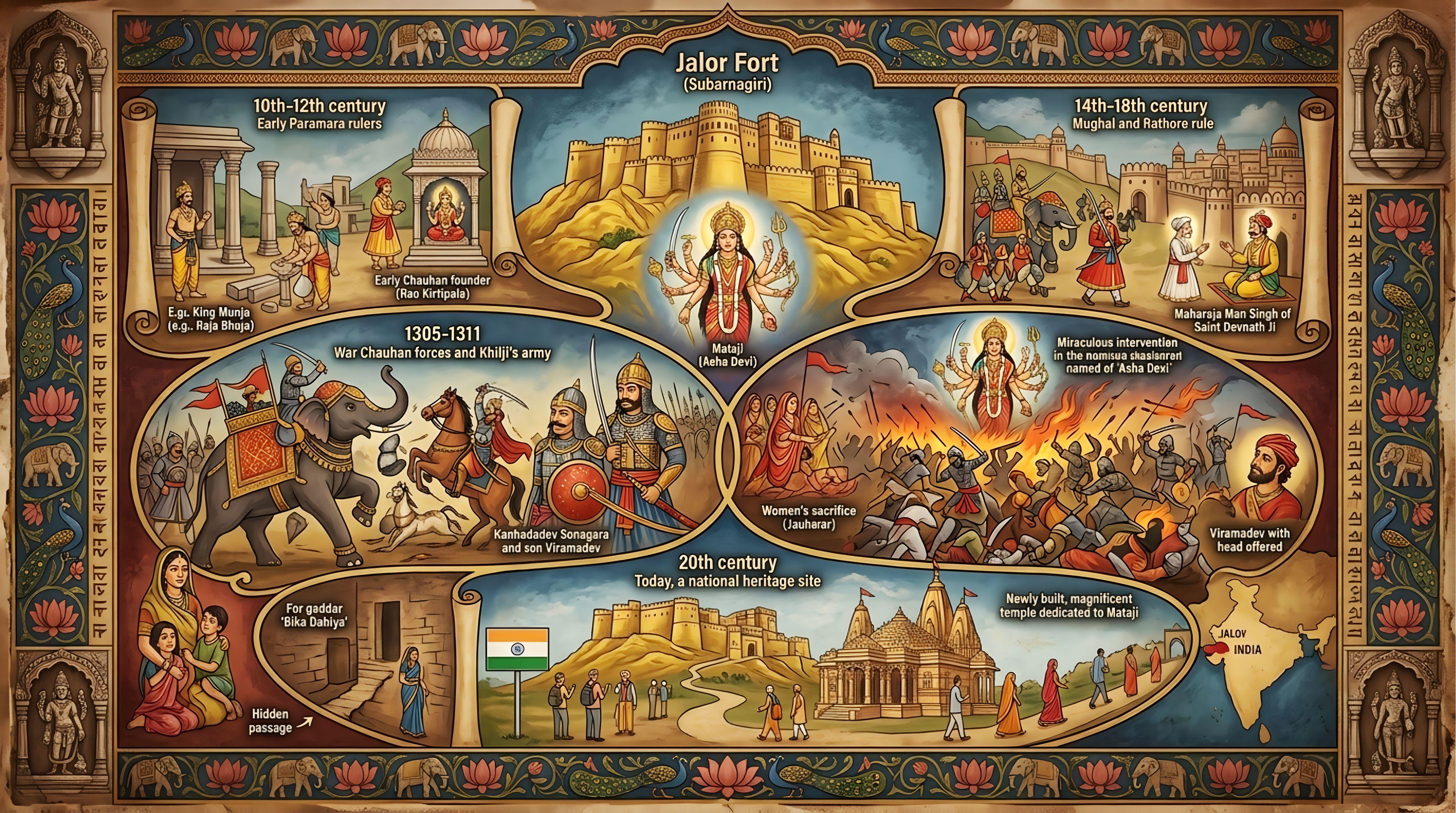
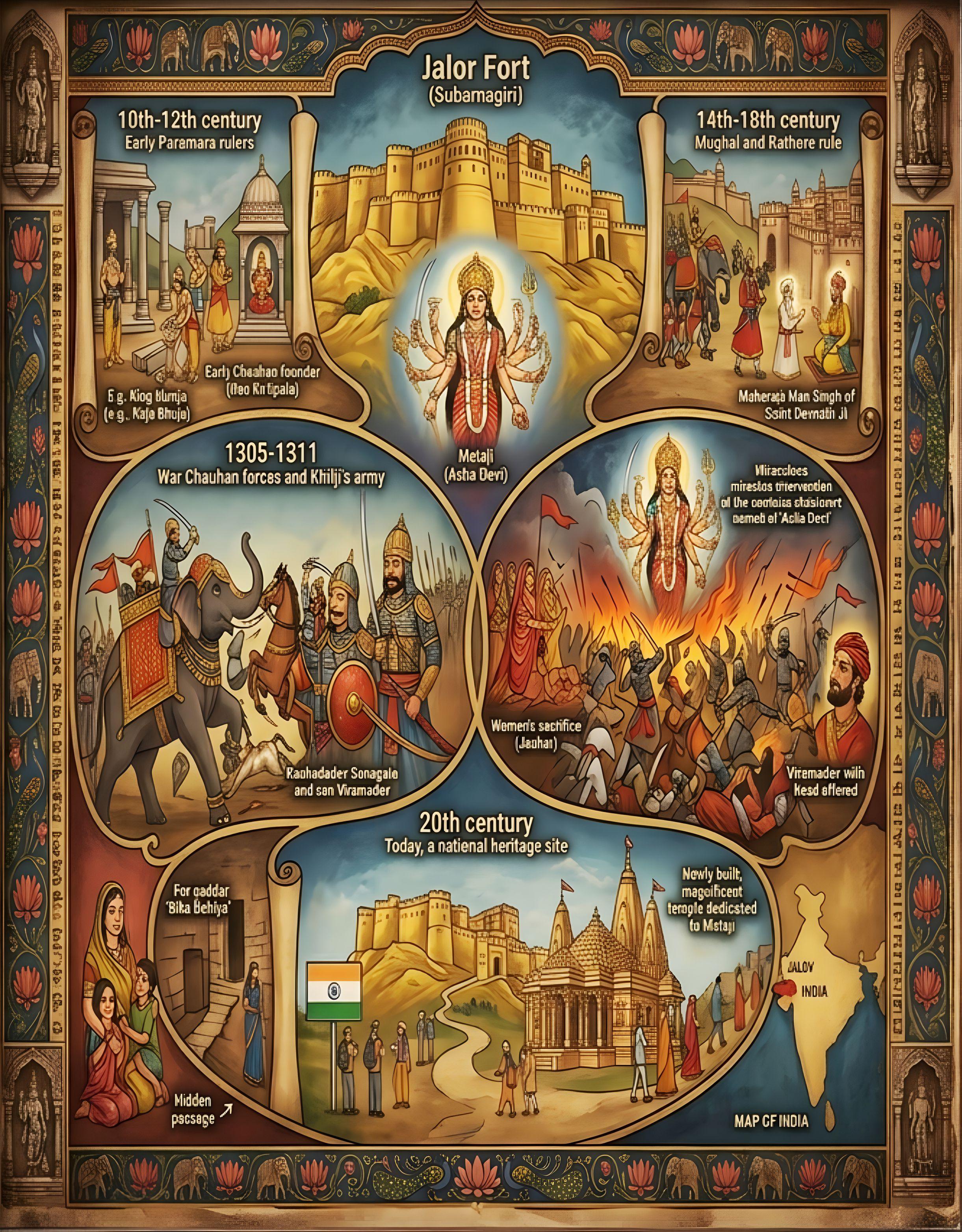
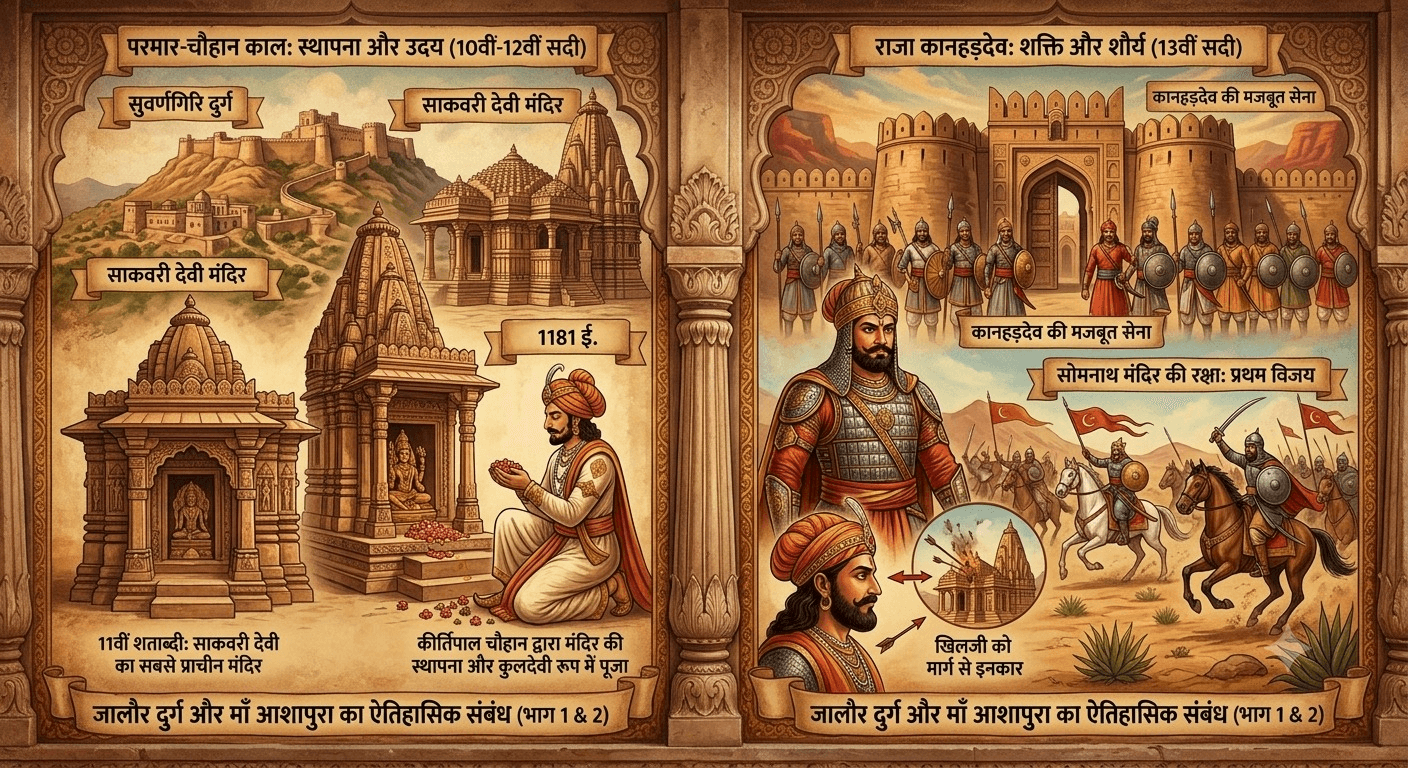
10th to 12th Century: Establishment of the Temple and Early Period

Parmar Period (10th–11th Century):

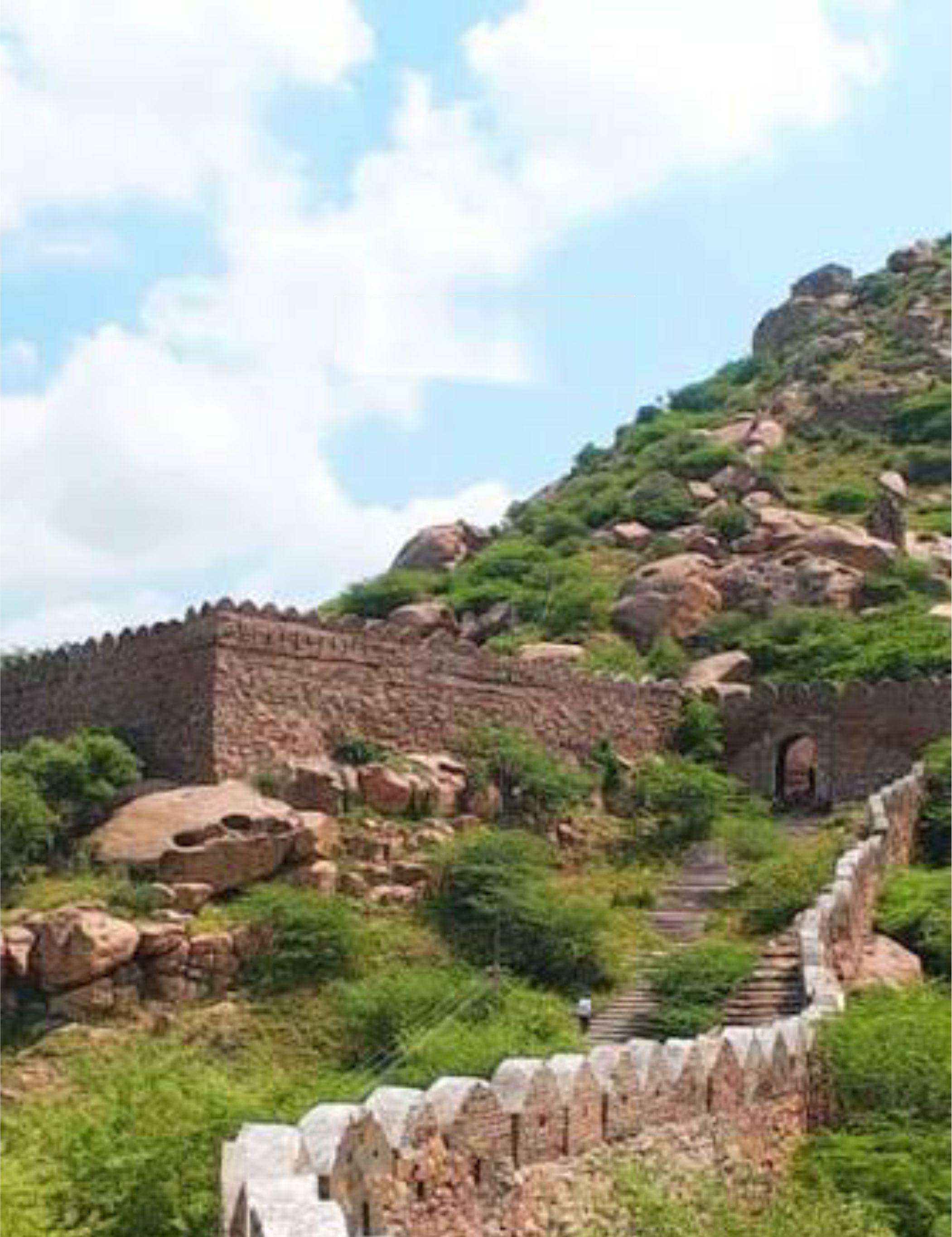
The Suvarnagiri Fort was expanded under the patronage of the Parmar rulers of Malwa, including Raja Munj and Raja Bhoj. In the 11th century, this temple, situated amidst dense mountains, was known by the name Sakavari Devi. It is considered to be the oldest temple in Jalore.

The Proposal of 36 Villages

Establishment of the Chauhan Dynasty (1181 CE):

After the defeat of the Parmar dynasty, the illustrious ruler Kirtipal Chauhan of the Nadol branch established the Chauhan rule in Jalore in 1181 CE. He began worshipping Mataji as the Kuldevi of the Songara dynasty and established the rule of the Chauhan dynasty in Jalore.

Rise of Raja Kanhaddev and the Somnath Temple Incident

Rule of Kanhaddev and Army Organization:

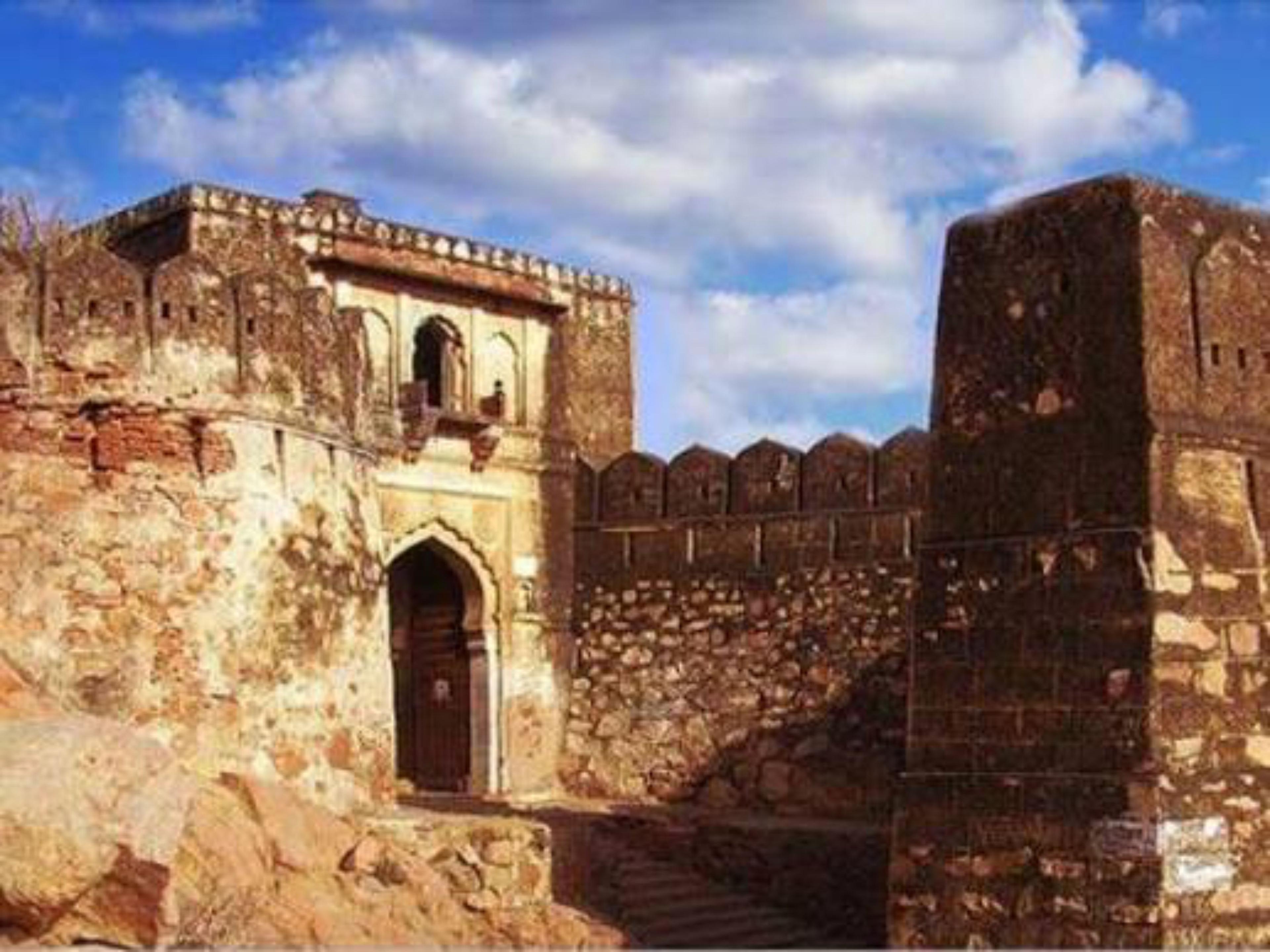
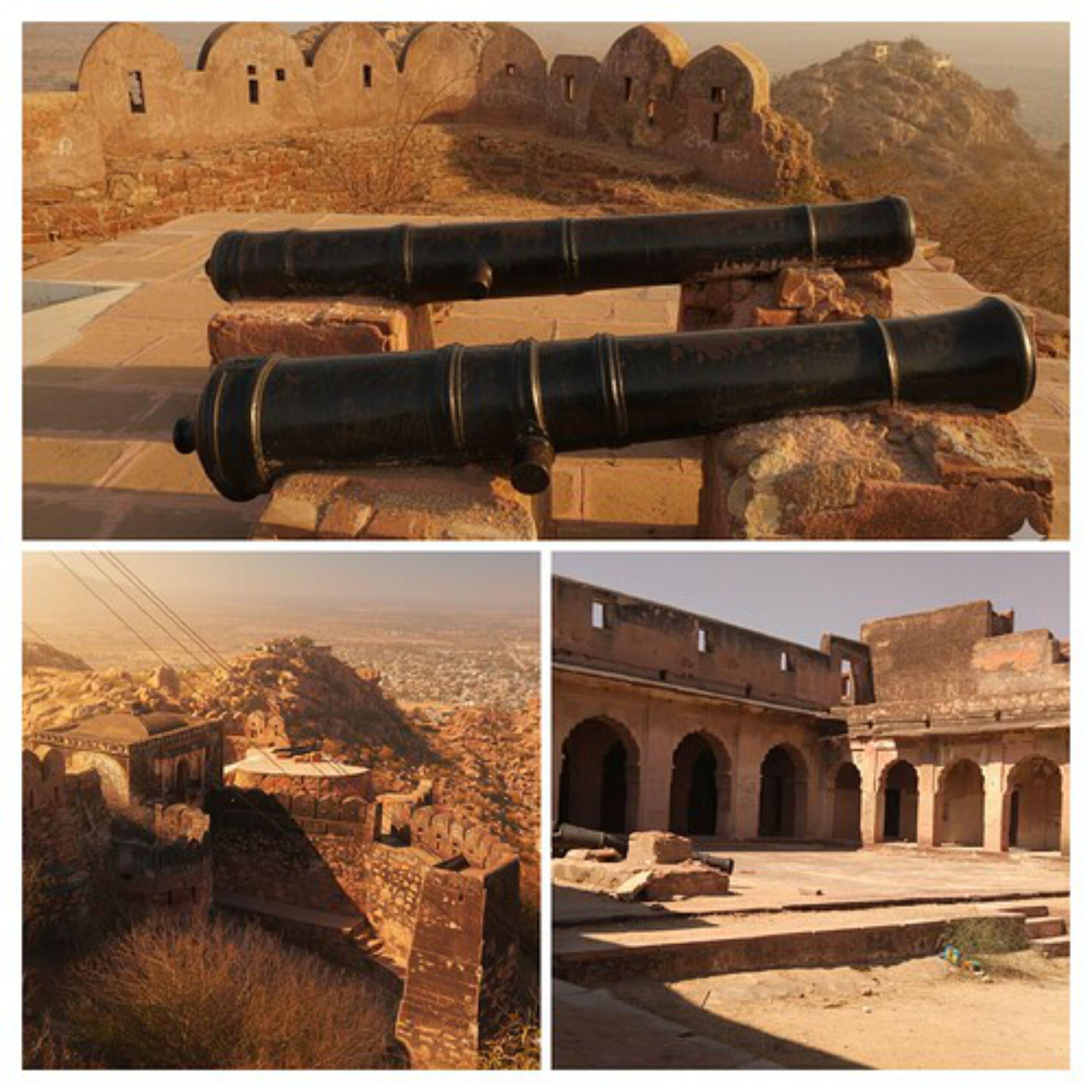
Later, Raja Kanhaddev of the Chauhan dynasty ruled over the Songara Fort. He was a great devotee of Mataji. The surroundings of the fort were very beautiful. Gradually, Kanhaddev became a powerful king and formed a strong army of Chauhan Rajputs from the surrounding villages, making his army very powerful throughout Rajasthan.

First Battle with Khilji's Army:

After destroying the Somnath Temple in Gujarat, Alauddin Khilji's army was returning to Delhi through Rajasthan. At that time, it decided to pass through Jalore. When Kanhaddev came to know about this, he refused to allow Khilji's army to pass, forcing the army to halt near Jalore.

Khilji's Defeat in the First Battle:

When Kanhaddev felt that Khilji's army could enter Jalore, he gathered his army. A fierce battle took place between the two armies, in which Khilji's army faced defeat and returned to Delhi through Ajmer.

Jalore and Maa Ashapura historical connection

Khilji's Proposal for a Settlement and Kunwar Veeramdev

The Proposal of 36 Villages:

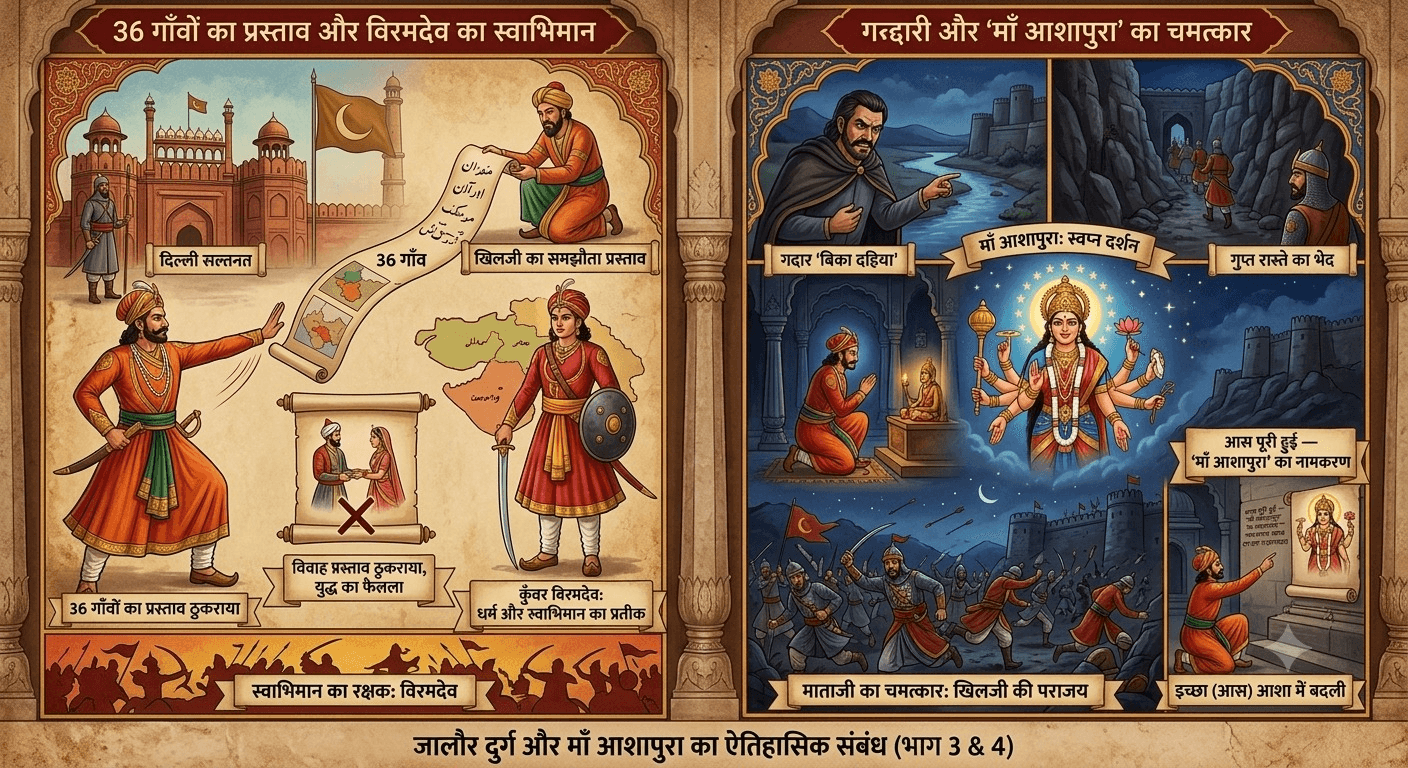
When Khilji learned that his army had faced defeat, he prepared to attack again. Through his messenger, he sent a message to Kanhaddev saying, "Make a settlement with us, and we will make you the king of 36 villages near us." Kanhaddev rejected this proposal.

The betrayal and the miracle of Maa Ashapura

Kunwar Veeramdev and the Marriage Proposal:

Kanhaddev sent his son to Delhi to meet Khilji. Kanhaddev's son was also a powerful and brave warrior named Veeramdev Songara. The discussions did not work out, but Khilji's daughter fell in love with Veeramdev and proposed marriage to him. Veeramdev rejected the proposal, which enraged Khilji and led him to decide on war.

Betrayal, Mataji's Miracle and the Naming of 'Maa Ashapura'

The Traitor Soldier and Entry into the Fort:

The war began again and Khilji's army started to weaken. However, one of Kanhaddev's traitorous soldiers revealed some secret locations to Khilji's army, through which the soldiers were able to enter the fort.

The betrayal and the miracle of Maa Ashapura

Kanhaddev's Prayer and Mataji's Dream:

The battle intensified and Kanhaddev's army began to weaken. Kanhaddev then went to Mataji's shrine and said—"Mataji! Now you must perform some miracle, otherwise everything will be over." Mataji appeared to him in a dream and said—"Kanhaddev! I will save your army and the fort, but I will not be able to save you."

Naming of 'Maa Ashapura':

The next morning, Kanhaddev went to Mataji's shrine and said—"O Mataji! Fulfil my hope." Due to Mataji's miracle, Khilji was forced to flee. Thus, her devotee Kanhaddev named Mataji 'Maa Ashapura', because Mataji had turned his desire (aas) into hope. Today she is known as Maa Ashapura and is our Kuldevi.

Jalore and Maa Ashapura historical connection

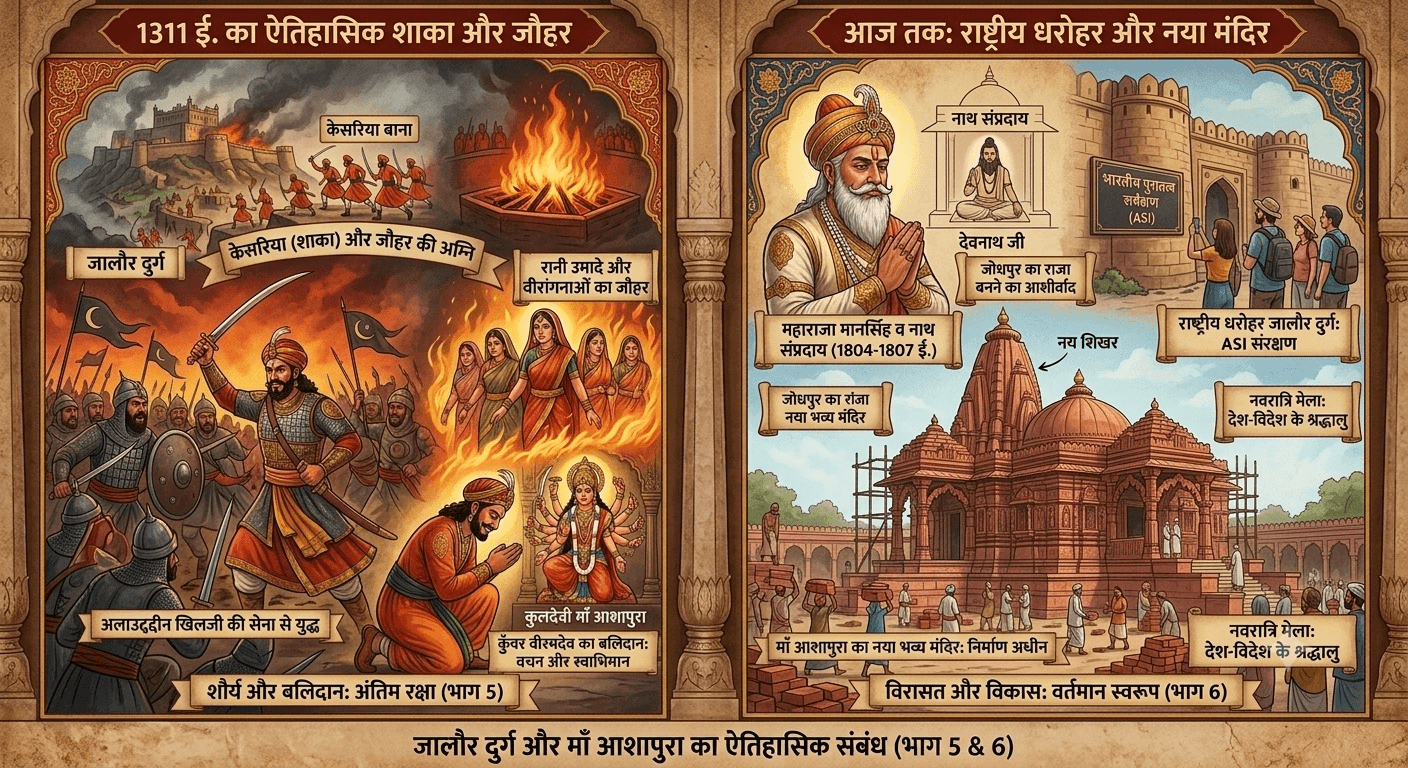
The Historic Shaka, Jauhar and Sacrifice of Veeramdev in 1311 CE

Kesariya and Jauhar:

In 1311 CE, during the final crisis, the Rajput warriors performed Kesariya, known as Shaka, while the women performed Jauhar.

The Sacrifice of Veeramdev:

Veeramdev Songara sacrificed his life before his Kuldevi to protect his faith and self-respect.

From the Late Medieval Period to the Modern Era (14th Century to the Present)

Mughal and Rathore Period (14th–18th Century):

After Khilji, the fort remained an important strategic center under the Delhi Sultanate, the Rathore dynasty of Marwar, and later the Mughals.

Maharaja Man Singh (1804–1807 CE):

Maharaja Man Singh of Jodhpur took refuge in this fort from 1804 to 1807 CE during a civil war, where, according to tradition, Devnath Ji blessed him to become the ruler of Jodhpur.

The betrayal and the miracle of Maa Ashapura

Present Status (20th Century to the Present):

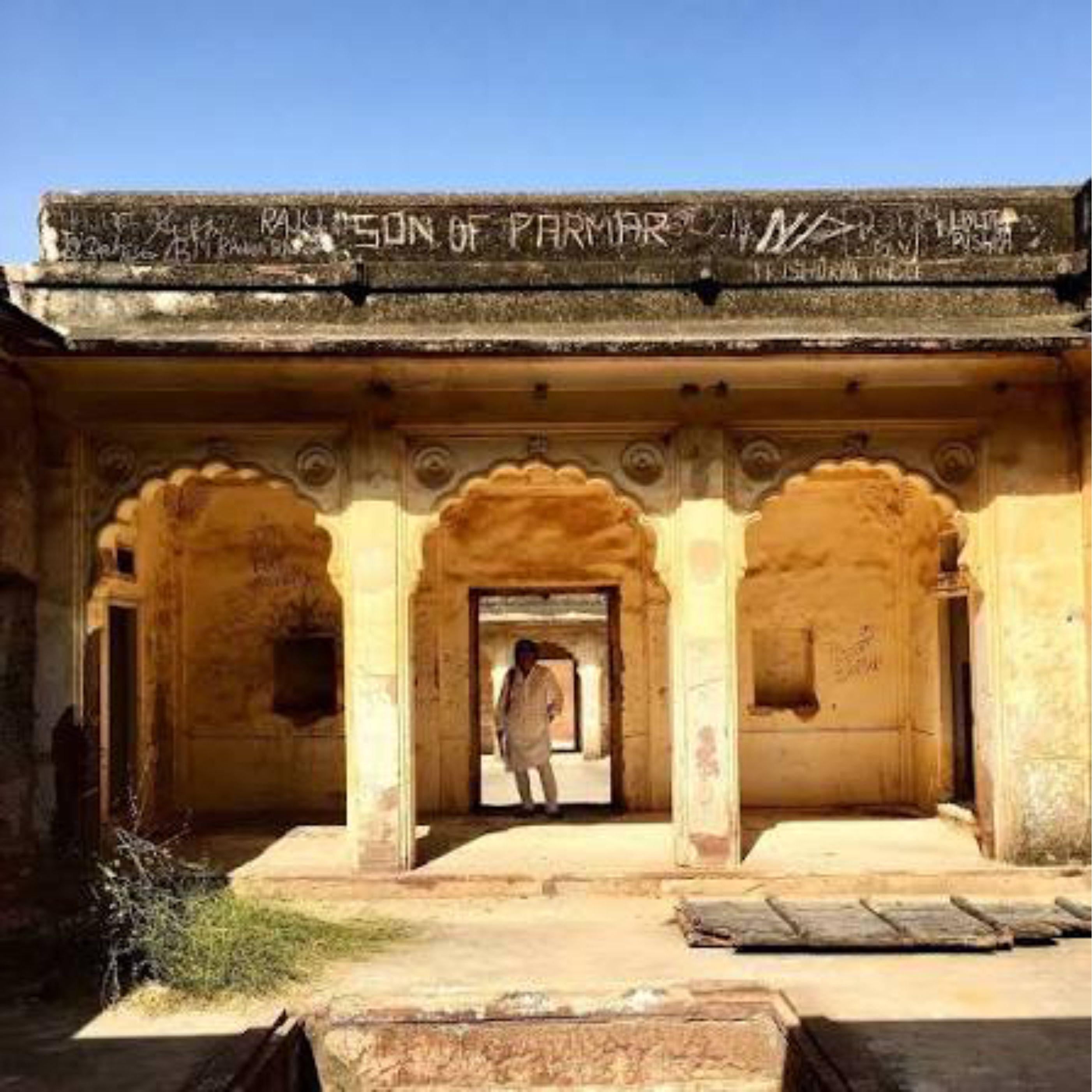
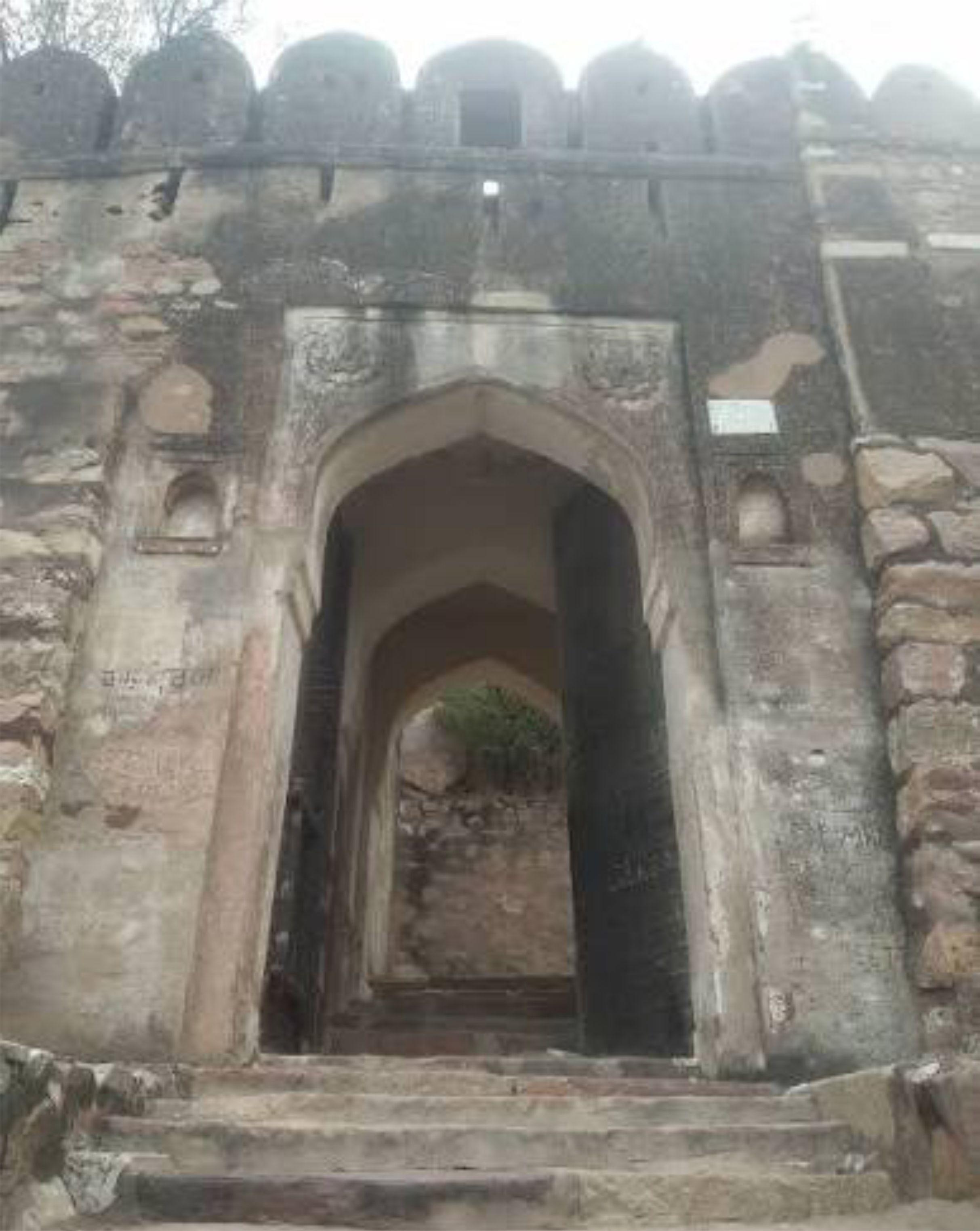
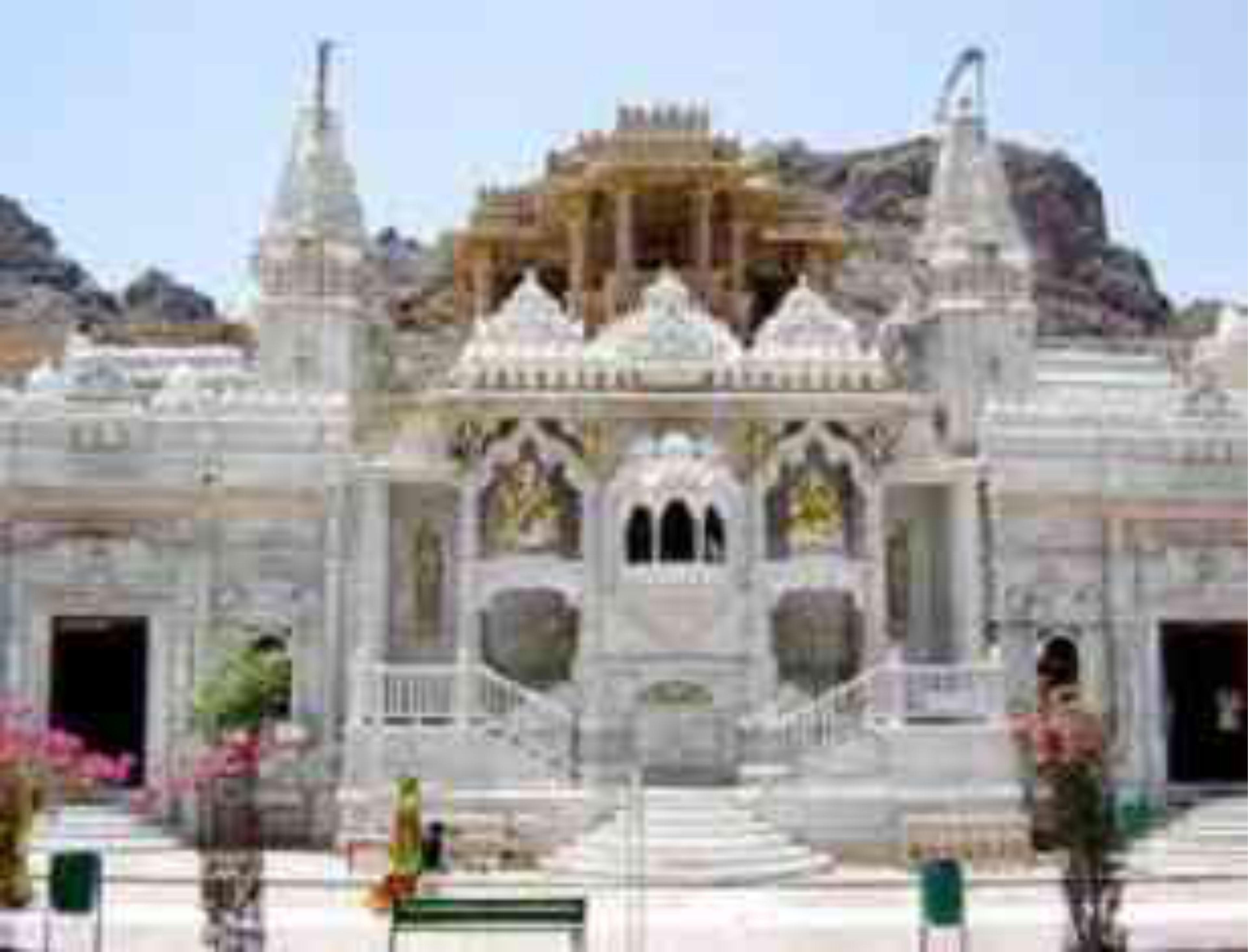
After the integration of India in 1947, the fort became a protected heritage site and is currently under the protection of the Archaeological Survey of India (ASI). There is a grand temple of Maa at Jalore Fort and in Modra village. A new temple is now being constructed here, where a grand fair is held during Navratri and devotees come to seek the blessings of their Kuldevi.

History from Chauhan Sonigara to Jain Sonigara

From the History of Jalore to the Sonigara Dynasty:

We have made an effort to share with you whatever information about the history of Jalore was known to us. Now, how we became Jain Sonigara from the Chauhan Sonigara Rajputs also has a history of its own.

The Army’s Decision After Veeramdev:

When Veeramdev attained martyrdom, his army came to the conclusion that there were traitors within the army itself. If the war continued in the same manner, the Chauhan Sonigara dynasty would eventually come to an end through continued sacrifices. Therefore, the remaining members of the army came down from the fort.

After a few months, the army once again surrounded the fort. At that time, they thought of seeking guidance from a Mahatma or a saint. It was then that the commander of Veeramdev’s army had a conversation with a Jain Muni.

The Jain Muni’s Advice and Maa’s Blessings:

The Jain Muni advised them to temporarily abandon the path of violence, follow the path of non-violence, and meditate upon Maa who was seated in the fort. He said that the opposing army would gradually leave the fort or would be defeated.

The same happened. Some people left the place, while others were killed in the battle. The words of the Jain Muni proved to be true.

After this, some members of the army reached Maa’s sacred presence and received Maa’s blessings. Then some people came down from the fort, and the entire army held discussions among themselves. After this, the army once again established its rule over the fort.

Faith in Maa Ashapura:

The army resolved that how could they ever forget the miracle performed by Maa? From that very moment, bhajan-kirtan, worship, prayers, Hawan and other religious rituals were performed at Maa’s temple continuously for 9 days.

Then, on Vijayadashami, the wishes of all the devotees were fulfilled. After this, Veeramdev’s army decided that Maa should be given a new form and a new name. With this faith, Maa came to be recognized as Maa Ashapura, who later became worshipped as the Kuldevi of the Sonigara family.

Following this tradition, we came to be known as Sonigara instead of Sonagara.

How Did We Become Jain?

Towards the Path of Non-Violence:

When the Jain Muni advised them to leave the path of violence and adopt the path of non-violence, his words remained in the hearts of the people in the army. Gradually, some members of the army began to follow the path of non-violence and embraced Jainism.

Over time, these people came to be known as Jain Sonigara. Thereafter, some families settled in and around Jalore.

Today, the Jain Sonigara family is not limited to Jalore alone but resides in many parts of India and across the world.

Major Religious and Tourist Places Near Jalore

Jalore is not only a historic city but also an important center of faith and devotion. During your visit to Jalore, you can also visit these famous pilgrimage sites nearby:

Maa Sundha Mataji:

One of the main temples among the 64 prominent temples of the Goddess, the highly popular and magnificent shrine of Maa Sundha Mataji located near Jalore.

Maa Ashapura Ji (Modra):

The sacred temple of Maa Ashapura (Kuldevi), located in Modra village, approximately 30 kilometers from Jalore.

Maa Bhatiyani Ji (Jasol):

The famous shrine of Maa Bhatiyani Ji, located in Jasol village near Jalore, worshipped by devotees by the name 'Majisa'.

Shri Nakoda Bhairav Ji (Mewanagar):

The renowned pilgrimage site of 'Mewanagar' in Rajasthan, where thousands of devotees gather every day and the wishes of every devotee who visits with faith are fulfilled.

How to Reach Jalore? (Transportation & Trade)

Jalore is also a popular center for trade and business. The city is easily accessible from all four directions of the country through convenient and comprehensive rail, road, and air transport facilities.

“Do visit Jalore at least once and enjoy this sacred and historic journey!”

ॐ

OUR LIVING HERITAGE

A Story That Lives On

From the ancient hills of Suvarnagiri to the sacred temples of today, the story of Jalore and Maa Ashapura continues to inspire generations. It is a story of devotion, courage, sacrifice and an unwavering belief in the divine.